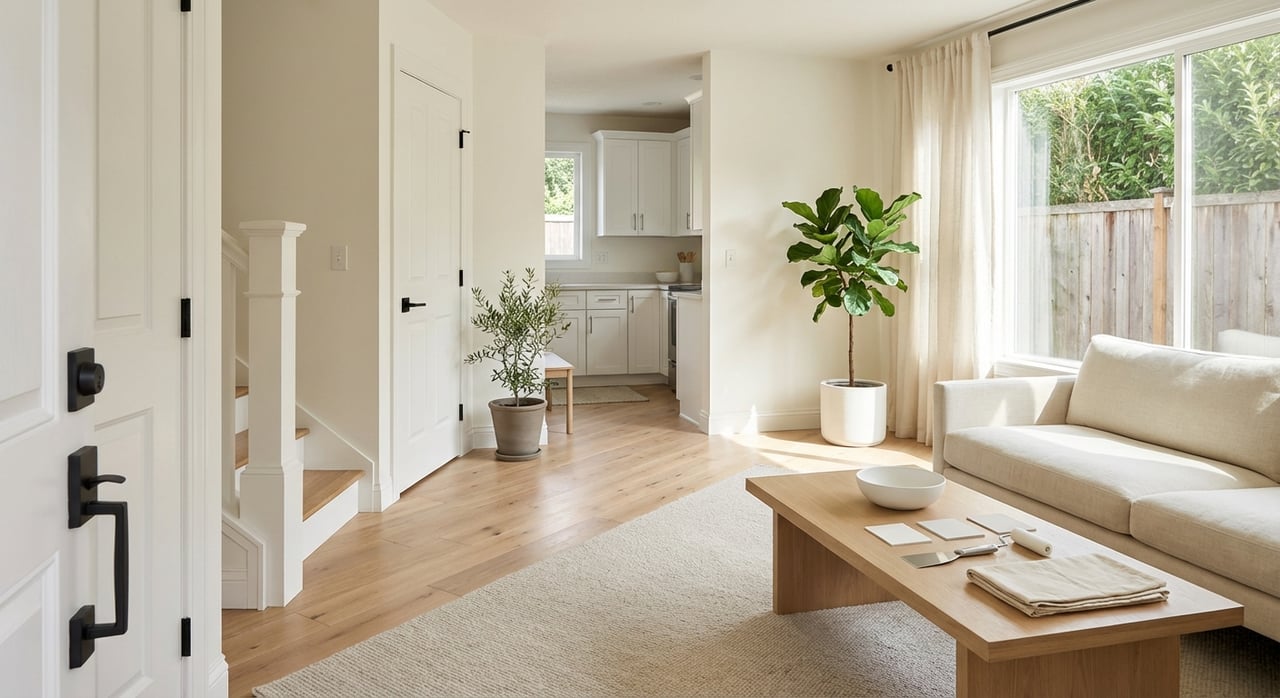
Should You Remodel Before Selling In Livermore?
February 19, 2026
February 19, 2026
Thinking about remodeling before you list your Livermore home? You’re not alone. With prices hovering around the low seven figures, it’s smart to ask which projects actually move the needle and which ones just drain time and cash. In this guide, you’ll learn how Livermore’s 2026 market sets the stage, which updates deliver the best return, what to skip, and a simple plan to decide your next steps. Let’s dive in.
Early 2026 snapshots show Livermore’s median sale price in the roughly 1.08 to 1.18 million range, with many homes going pending in about 30 to 40 days. For example, Redfin’s January 2026 read put the median near 1.177 million with about 37 days on market, while other platforms in late 2025 to early 2026 reported medians near 1.08 to 1.10 million. These differences come from timing and methodology, but the takeaway is steady demand with buyers comparing closely against neighborhood comps.
Livermore’s housing mix includes older downtown homes, mid‑century tracts, and newer planned neighborhoods. The city’s 2023–2031 Housing Element signals ongoing growth planning and a strong base of owner‑occupied homes. You can skim local planning context on the city’s site to understand how supply evolves over time at the City of Livermore’s Housing Element page: 2023–2031 Housing Element.
Many Livermore buyers are professionals tied to local employers and regional commutes. Lawrence Livermore National Laboratory and Sandia’s Livermore operations attract engineers and technical staff who value functional, low‑maintenance homes, reliable systems, and flexible work or hobby spaces. For context on the local employer base, see LLNL’s careers page.
In practice, this means buyers notice: roof and HVAC condition, energy features, parking and garage utility, and clean indoor‑outdoor flow. Move‑in ready matters, but over‑improving above nearby comps usually does not pay back.
Why it works: Low cost, high visual impact online and in person. This is often the best first step.
Evidence: The industry’s Cost vs. Value research consistently lists minor kitchen remodels and selected exterior projects among the highest recoup rates. Use the latest benchmarks as a guide: Cost vs. Value 2025.
Big projects take months, may require permits, and can delay your sale into a different market season. If your comps do not support a higher price band, the percentage recoup is often lower than smaller, focused updates. Review the city’s planning resources and be ready to consult the permit center early if you consider structural work: Livermore Planning and Housing Element.
Also weigh carrying costs if you hold the home while work is underway. Consider mortgage interest, taxes, utilities, and HOA dues. Keep an eye on rates since they influence demand and time on market. Freddie Mac’s Primary Mortgage Market Survey showed average 30‑year rates near 6.1 percent in early February 2026, which can help support buyer activity. See the current trend: Freddie Mac PMMS.
For a feel on timeline basics, light exterior painting can be done in days to a couple of weeks depending on prep and weather. Broader project duration ranges are outlined in contractor references like HomeAdvisor’s exterior painting guide.
Use this simple five‑step framework to decide what to do now and what to skip.
Get a hyper‑local CMA for Livermore or the broader Tri‑Valley. Compare apples to apples: similar bed and bath count, lot size, and condition tier. Macro market snapshots provide context, but your pricing strategy should hinge on current neighborhood comps.
Fix issues that can derail loans or scare buyers. If you have concerns, a pre‑listing inspection helps you triage. Guidance on benefits and tradeoffs is here: ASHI pre‑listing inspection article.
Use Cost vs. Value as a directional tool, not a promise. In 2025, a minor kitchen remodel showed one of the highest national recoup rates, around 113 percent for midrange scope. Example: if a $30,000 kitchen refresh adds about $33,000 in market value, the simple recoup is roughly 110 percent. Actual results depend on your comps and buyer demand. Benchmark here: Cost vs. Value 2025.
Cosmetic work and staging often take days to weeks. Minor kitchen or bath updates can take several weeks. Major projects can stretch into months, plus permits. Align your listing window with local seasonality and rate trends. Track rates at Freddie Mac PMMS and check city planning resources at Livermore Planning.
Staging, professional photography, video, floor plans, and 3D tours often deliver outsized impact relative to cost. NAR’s 2025 staging research reports shorter time on market and potential offer lifts. Review the data: NAR 2025 Home Staging report.
Always verify with your agent and CMA for your neighborhood.
High‑leverage
Moderate‑leverage
Evaluate carefully
Check ROI trends before committing to larger spends: Cost vs. Value 2025.
In Livermore’s 2026 market, you usually win by pairing a clean, move‑in ready look with smart, targeted updates and by fixing any issues that could trip financing. Major remodels make sense only when comps support a clear price jump and you have the time to capture it. If you want a local, data‑backed plan for your address, connect with Jaspreet Johal to get your free home valuation and local market plan.
Stay up to date on the latest real estate trends.
Looking for a real estate agent who truly puts your needs first? Jaspreet delivers exceptional client care and real results. Reach out today and take the first step toward your real estate success.

39510 PASEO PADRE PKWY STE 120 FREMONT CA 94538