Thinking about selling your Dublin home and wondering where to start? You are not alone. With commute-focused buyers, changing interest rates, and neighborhood-by-neighborhood trends, a local plan can make the difference between a smooth sale and a stressful one. In this guide, you will get a clear, step-by-step roadmap for prepping, pricing, marketing, and closing in Dublin so you can move forward with confidence. Let’s dive in.
Why a local plan matters in Dublin
Dublin sits in the Tri-Valley with quick access to I-580 and I-680, plus the Dublin/Pleasanton BART station. Many buyers filter their search by commute time and transit access, so highlighting these features helps you reach the right people. You will also see a mix of move-up families, commuter professionals, and investors who often prefer turnkey homes.
Homes range from established neighborhoods to newer subdivisions. Micro-markets near BART, near parks and community centers, or in newer developments can attract different buyers and price points. Because Bay Area trends shift with jobs and interest rates, your pricing and timeline should stay flexible.
Your step-by-step selling roadmap
Phase A: Pre-listing preparation
Your goal is to maximize appeal and reduce deal friction. Plan for 1 to 6 weeks, depending on repairs and staging.
- Do a walk-through with a prioritized repair list. Focus on roof, HVAC, plumbing leaks, termite or wood-destroying organism issues, and obvious safety items.
- Consider a pre-listing home inspection. It can surface issues early and lead to faster, cleaner negotiations.
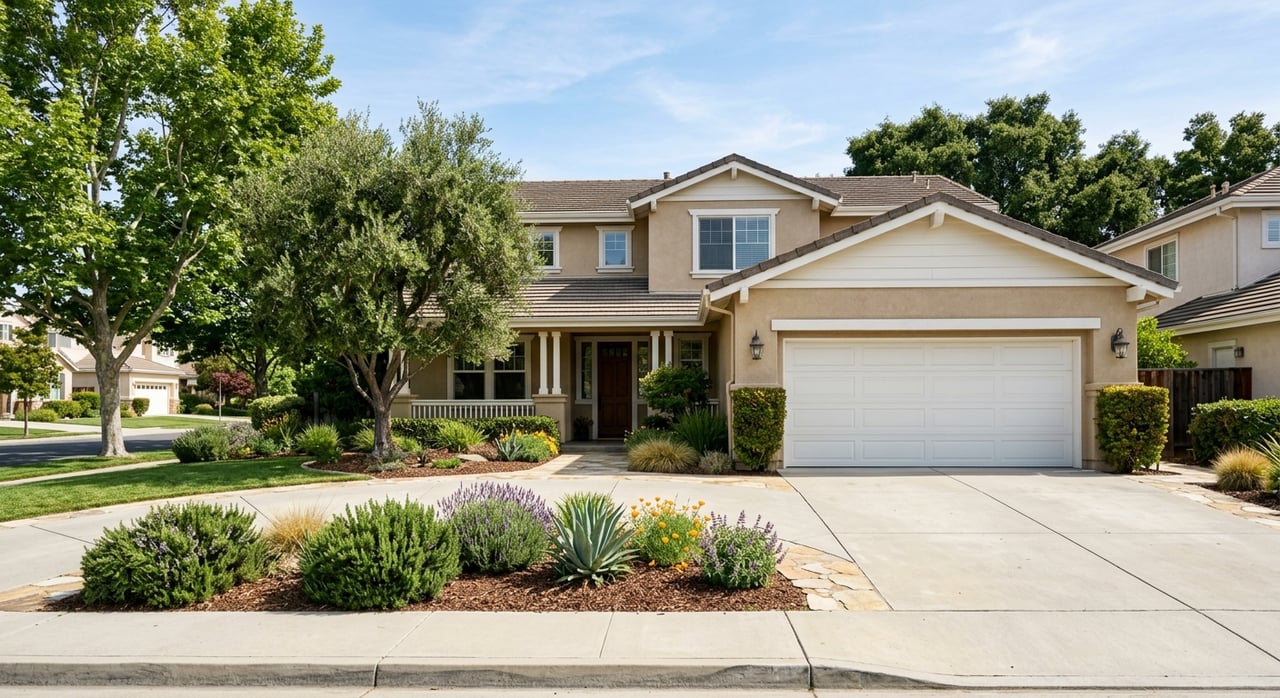
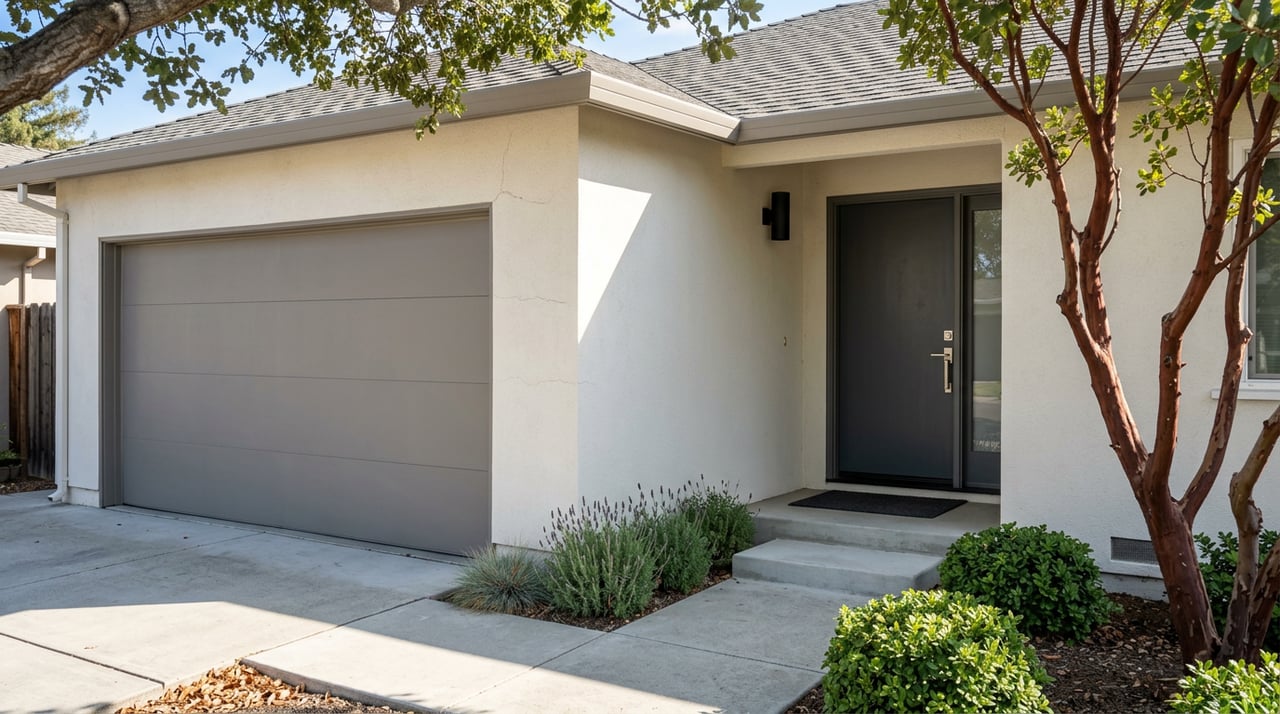
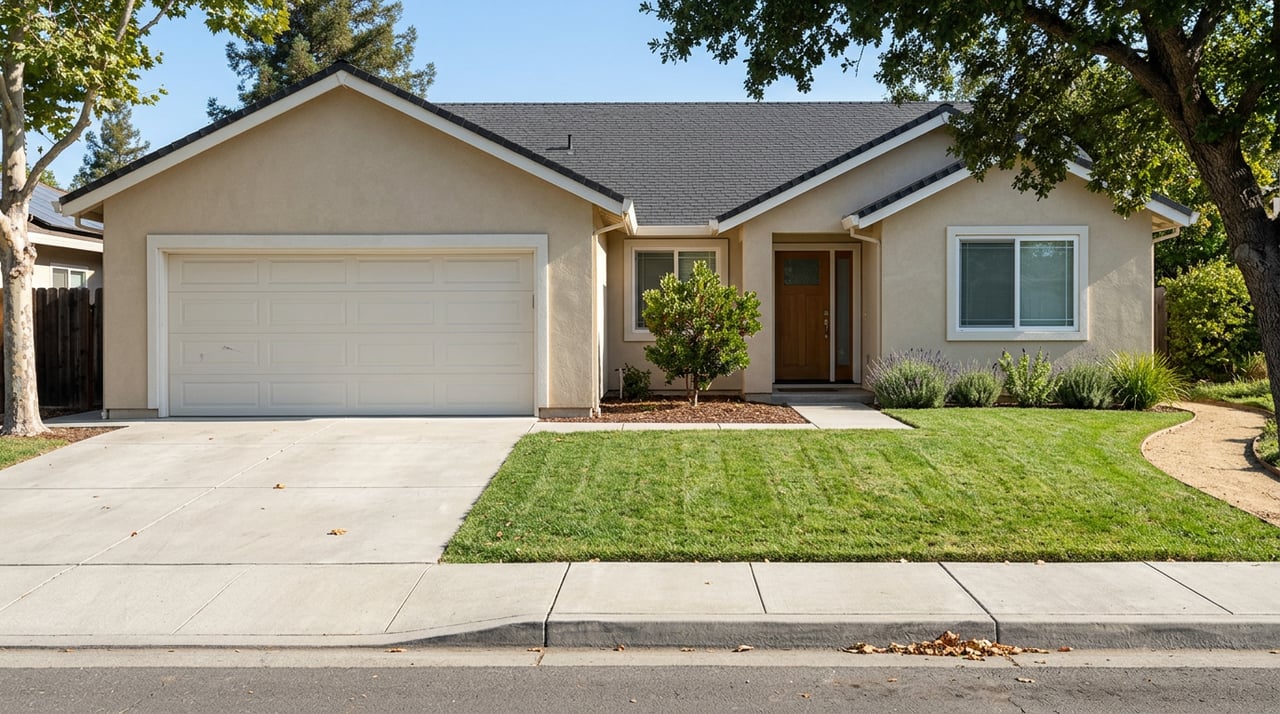
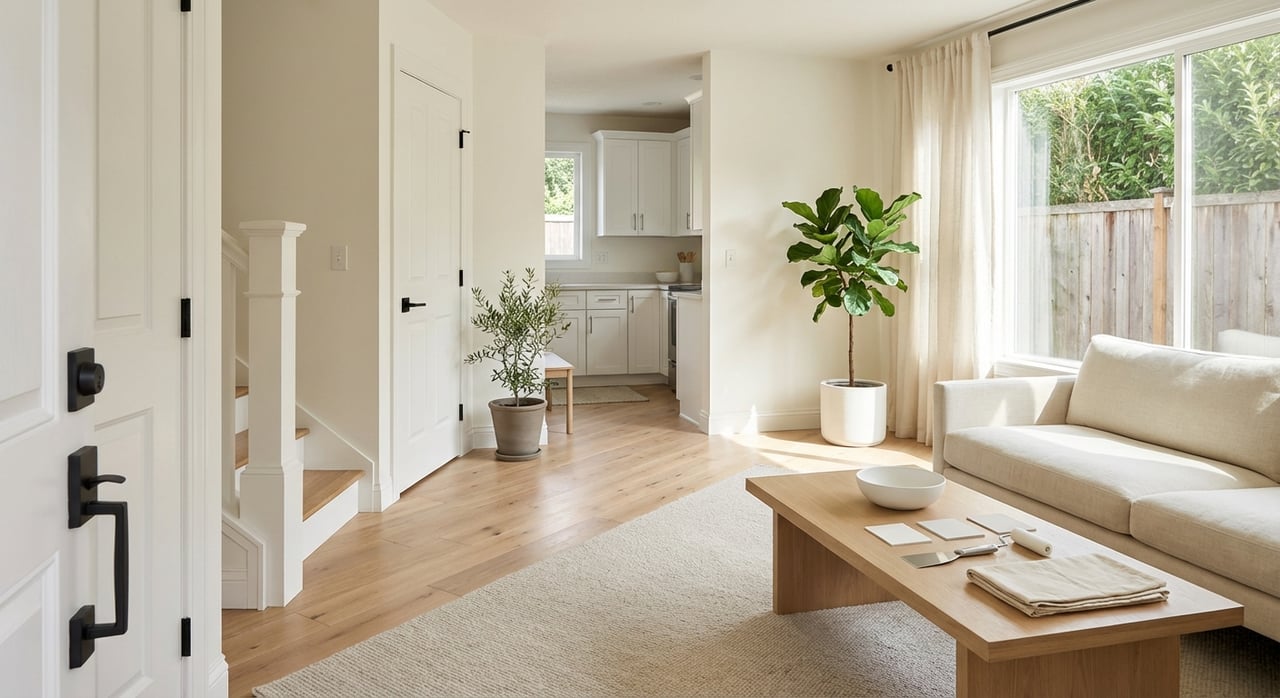
- Refresh for first impressions. Declutter, deep clean, add neutral paint, tidy landscaping, and remove personal photos. Staging the main living area and primary bedroom helps photos and showings.
- Gather documents now. Collect utility bills, permits for any remodels, HOA documents if applicable, any surveys, and previous disclosures.
- Meet safety requirements. Ensure smoke and carbon monoxide detectors are working, and strap the water heater if required by local code.
- Confirm local rules. Check City of Dublin and any HOA guidelines for signage, open houses, and parking.
Tip: Small, targeted improvements often deliver a strong return. Focus on curb appeal, paint, lighting, and minor kitchen or bath updates like hardware or counters when needed.
Phase B: Pricing strategy
Use a data-backed approach that fits today’s market and your goals.
- Build a Comparative Market Analysis. Start with 6 to 12 recent neighborhood comps. Adjust for beds and baths, lot size, condition, upgrades, and proximity to BART or schools.
- Choose the right strategy:
- Market-value pricing for a steady, lower-risk sale.
- Slightly under market to drive strong activity and possible multiple offers when inventory is tight.
- High-anchor pricing for unique properties, while watching for longer days on market.
- Think like a buyer. Price near common search thresholds. Consider how $999,000 appears in searches compared to $1,000,000.
- Review a net proceeds estimate. Include commissions, escrow and title fees, transfer taxes if applicable, mortgage payoff, and any planned credits or repairs.
Your agent should also review current list-to-sale ratios and median days on market in Dublin to calibrate whether to push for a quick offer window or price for broader exposure.
Phase C: Marketing to qualified buyers
Showcase the lifestyle and the commute. Dublin buyers often prioritize move-in ready condition, remote viewing options, and clarity on location.
- Core listing package:
- Professional daylight photography with wide-angle shots and a clear floor plan image.
- 3D tour or high-quality video for remote and commuter buyers.
- A concise, benefit-focused description that highlights BART access, nearby amenities, recent upgrades, outdoor space, and typical commute routes.
- Complete disclosures uploaded on day one to reduce friction.
- Distribution plan:
- MLS coverage across the East Bay. Confirm syndication accuracy to major portals.
- Agent-to-agent outreach, broker opens, and neighborhood email campaigns.
- Geo-targeted social ads and search ads focused on Dublin and commuter keywords.
- Yard sign, directional signs for open houses, and posts in hyperlocal digital groups where allowed.
- Showings and open houses:
- Decide on agent-managed showings for better control and buyer vetting.
- Consider a broker open before the first public open to build early momentum.
- Buyer-friendly materials:
- A one-page property sheet with commute context, neighborhood amenities, recent updates, and any transferable warranties.
- A virtual package for out-of-town buyers that includes the 3D tour and neighborhood highlights.
Phase D: Negotiate and close with confidence
Your goal is to optimize terms, protect your timeline, and avoid surprises.
- Offer review:
- Confirm buyer strength with a pre-approval letter, earnest money deposit, and loan program details.
- Compare terms beyond price: appraisal gap language, contingency timelines, rent-back, credits, and closing date.
- Use a net-to-seller analysis for each offer.
- Multiple-offer strategy:
- Set a clear offer deadline if appropriate. Request highest and best for a clean comparison.
- Evaluate escalation clauses carefully and prepare for appraisal considerations.
- Inspections and repairs:
- Buyers often inspect, then request repairs or credits. You can respond with repairs, a credit, or an as-is stance with full disclosures.
- Appraisal and financing:
- If you price at the top of the range, prepare comps and upgrades for the appraiser. Consider offers with appraisal gap language or larger deposits.
- Closing logistics:
- Coordinate with escrow and title. Confirm payoff statements, prorations, HOA transfers, and the final walkthrough plan. Typical Bay Area escrows run 30 to 45 days.
Legal and disclosure essentials in California
You must provide required disclosures and follow local protocols. Common items include the Transfer Disclosure Statement and a Natural Hazard Disclosure report that covers risks such as wildfire, flood, or earthquake fault zones. Homes built before 1978 require a lead-based paint disclosure. Pest and wood-destroying organism reports are common in the Bay Area and may be required by some lenders.
If your home is in an HOA, you will provide CC&Rs, bylaws, reserve studies, and recent meeting minutes. Confirm safety compliance such as smoke and carbon monoxide detectors and water heater strapping. Check City of Dublin and Alameda County for any local transfer taxes and signage rules. For tax questions and fees, consult appropriate professionals and local offices.
Costs, timing, and ROI expectations
Your plan should include realistic timelines, a budget for prep, and a buffer for negotiations.
- Timelines:
- Pre-listing prep: 1 to 6 weeks based on repairs and staging.
- Marketing to accepted offer: often 1 to 45 days in active conditions, longer when inventory rises.
- Escrow to close: typically 30 to 45 days, depending on financing and terms.
- Common seller costs:
- Agent commissions are commonly in the 4 to 6 percent range in many U.S. markets. Confirm current local practice.
- Escrow and title fees, mortgage payoff, prorated property taxes and HOA dues, and possible transfer taxes.
- Staging and photography can range from a few hundred to several thousand dollars.
- Repairs and credits vary; set aside a contingency.
- ROI priorities:
- High impact: decluttering, deep cleaning, fresh paint, landscaping, and minor kitchen or bath refreshes.
- Moderate impact: full remodels can help in some price bands but may not fully pay back.
- Staging often improves buyer interest and can shorten days on market.
For taxes, remember that the primary residence exclusion can apply if you have lived in the home for two of the last five years. Investment properties may qualify for 1031 exchanges. Always consult a CPA or tax advisor for personalized guidance.
Track the right metrics during your sale
Ask for weekly updates so you can adjust quickly.
- Days on market and list-to-sale price ratio
- Number of showings and showings-to-offer conversion
- Online marketing performance, including clicks and leads for paid ads
- Open house traffic and feedback themes
- Time from acceptance to close and any contingency delays
Local scenarios and smart strategies
- Selling near BART: Highlight simple commute options, transit times, and low-maintenance features that appeal to busy professionals.
- Older homes vs newer builds: For established neighborhoods, focus on maintenance and system updates. For newer subdivisions, highlight energy efficiency, flexible floor plans, and proximity to parks and retail.
- As-is or fully prepped: You can sell as-is for speed, but a modest prep plan often attracts more offers. If you want to avoid repairs, consider offering a credit instead of completing work.
- Privacy and showing limits: Use agent-qualified tours, limited open houses, and strong virtual assets to reduce foot traffic while keeping buyer interest high.
Get a personalized Dublin selling plan
You deserve a smooth, strategy-driven sale. With 10+ years of East Bay experience, 100+ closed transactions, and full-service marketing that includes staging, photography, and expert negotiation, I will guide you from prep through closing with clear communication at every step. For multilingual support in English, Hindi, or Punjabi, and a plan tailored to your Dublin micro-market, connect with Jaspreet Johal.
FAQs
Should I get a pre-listing inspection in Dublin?
- Yes, it can uncover issues early, reduce surprises during escrow, and support clean negotiations; the decision depends on your home’s age and condition.
How should I price my Dublin home relative to comps?
- Use a local CMA, then choose market-value, slightly under-market, or high-anchor pricing based on demand, your risk tolerance, and timeline.
What repairs am I required to make before selling?
- There is no universal requirement to make repairs, but you must provide full disclosures; most repairs or credits are negotiated after inspections.
What happens if my appraisal comes in low?
- Options include the buyer covering the gap, a seller credit, a price adjustment, or contesting the appraisal; discuss appraisal gap language before acceptance.
How do I estimate my net proceeds from the sale?
- Ask for a net sheet that includes commissions, escrow and title fees, transfer taxes if applicable, prorations, repair credits, and your mortgage payoff.